
De lo humano a lo divino CODEX AZTECAS,LOS CÓDICES DE MESOAMERICA

Martín de la Cruz' "Libellus de medicinalibus indorum herbis"; context of the sources on nahualt materia medica Veroff Int Ges Gesch Pharm. 1984;53:9-30. Author J L Valverde. PMID: 11611857 No abstract available. Publication types Biography Historical Article.
Page 56 verso. of Libellus Medicinalibus Indorum Herbis, the de la... Download Scientific Diagram

America's Earliest Medical Book. The Badianus Manuscript, (Codex Barberini, Latin 241) an Aztec Herbal of 1552, was discovered at the Vatican Library in 1929 by Professor Charles U. Clark. The manuscript was bound in 16th century crimson velvet and is the earliest treatise on Mexican medicinal plants and native remedies which has ever come.
The Badianus Manuscript America's Earliest Medical Book Ancient Medicine World Research
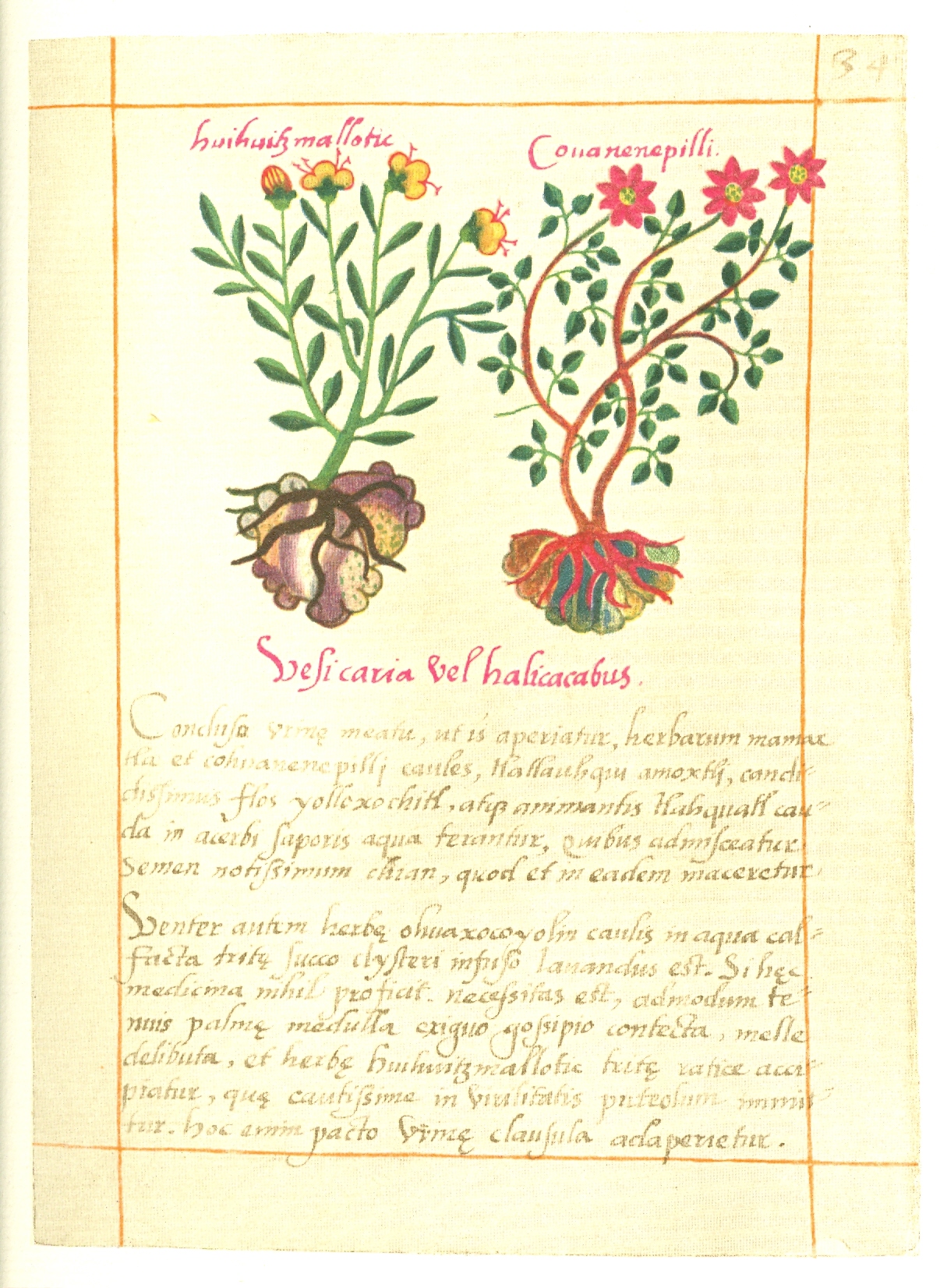
Libellus de Medicinalibus Indorum Herbis had prominent backers. The effusive laudatory dedication of Martin de la Cruz indicates it was commissioned by Don Francisco Mendoza, the son of the first viceroy of New Spain. Juan Badiano's translation was made at the request of Friar Jacobo de Grado, Guardian and Director of the Covent of Tlatelolco.
The Libellus de Medicinalibus Indorum Herbis Botanical drawings, Botanical illustration, Herbalism

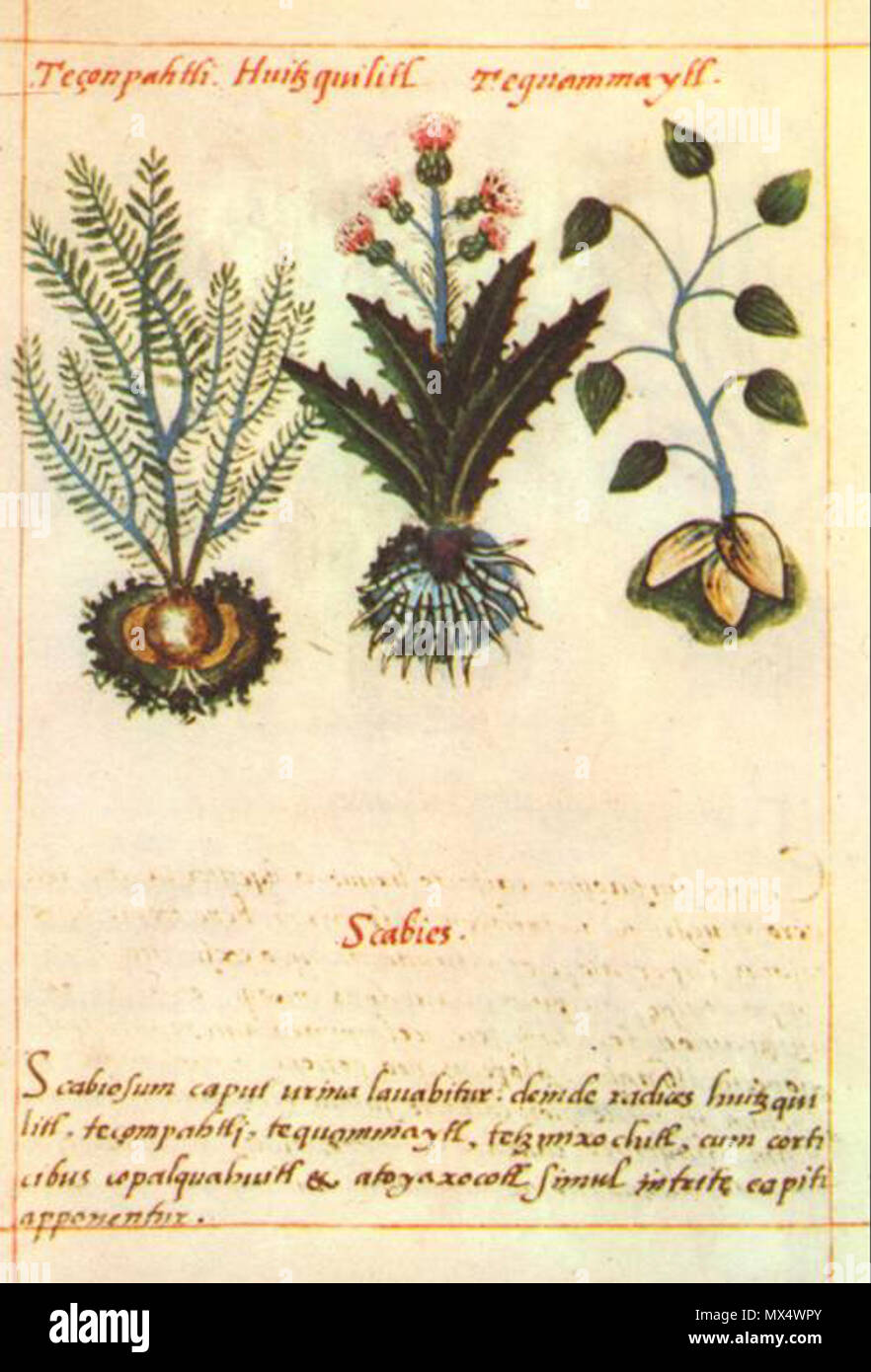
The Libellus de Medicinalibus Indorum Herbis is an Aztec herbal manuscript, describing the medicinal properties of various plants used by the Aztecs. It was translated into Latin by Juan Badiano, from a Nahuatl original composed in the Colegio de Santa Cruz de Tlatelolco in 1552 by Martín de la Cruz that is no longer extant. The Libellus is also known as the Badianus Manuscript, after the.
Códices de mexico
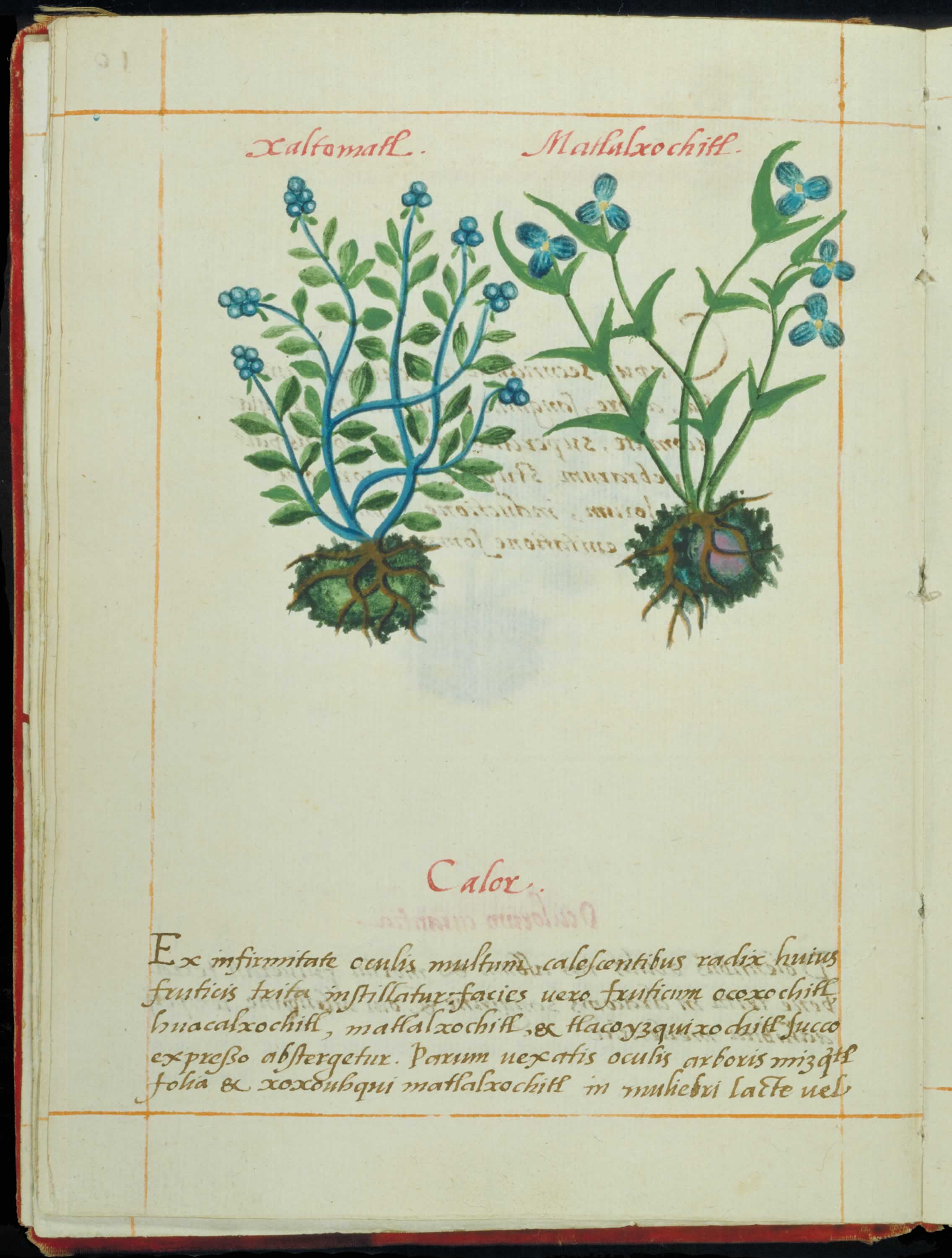
El documento, cuyo nombre original es Libellus de Medicinalibus Indorum Herbis, fue realizado a solicitud de Don Francisco de Mendoza, hijo del virrey de la Nueva España, para el Rey Carlos V en calidad de regalo, tal como lo asienta la dedicatoria que se puede leer en la primera foja del códice. En 1929 el manuscrito salió a la luz a.
Cruz, Martín de la. Libellus de Medicinalibus Indorum Herbis. Manuscrito Azteca de 1552. México

Libellus de Medicinalibus Indorum Herbis.pdf. Size of this JPG preview of this PDF file: 800 × 533 pixels. Other resolutions: 320 × 213 pixels | 640 × 426 pixels | 1,024 × 682 pixels | 1,280 × 853 pixels | 1,770 × 1,179 pixels. Original file (1,770 × 1,179 pixels, file size: 89.58 MB, MIME type: application/pdf, 54 pages)
Libellus de Medicinalibus Indorum Herbis México Antiguo Historia de México Historia
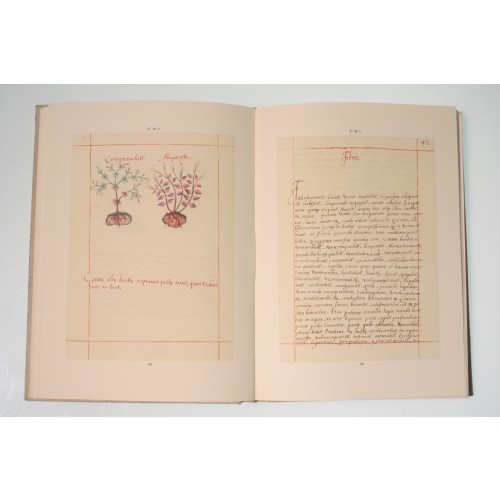
The De la Cruz-Badiano Aztec Herbal of 1552, an English translation of the Libellus de Medicinalibus Indorum Herbis, published by the Maya Society. The copyright for this book was not renewed, thus it is now in the public domain in the United States. Addeddate 2020-09-09 23:27:34
Libellus de Medicinalibus Indorum Herbis Códices México Antiguo Historia de México Historia

Libellus de medicinalibus Indorum herbis (Codex Cruz-Badianus) of 1552 is surely one of the most amazing botanical documents of the sixteenth century. Its history is legendary. It was written in Nahuatl by Martin de la Cruz (Silvermoon 2007:209), an indigenous Nahua (Aztec) physician at the Colegio de Santa Cruz in Tlatelolco and translated to Latin by Juan Badiano, an indigenous faculty.
Herbal Medicine, Aztec Style

These are the herbal Libellus de medicinalibus indorum herbis (1552), composed by the Nahuas Martín de la Cruz and Juan Badiano in the Imperial College of Santa Cruz of Tlatelolco; the Historia natural de Nueva España, written by Philip II's protomédico (royal physician) Francisco Hernández, a "scientific envoy" in New Spain in the.
Libellus de Medicinalibus Indorum Herbis México Antiguo Historia de México Historia
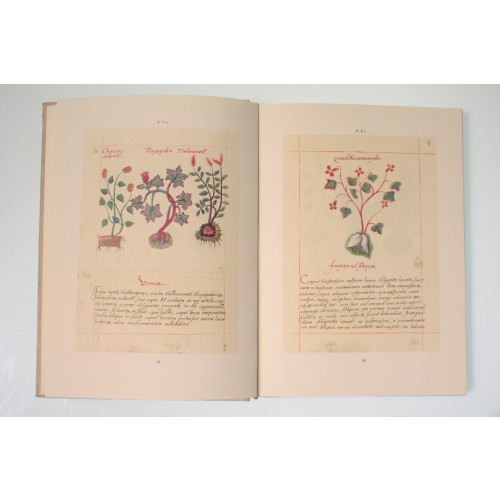
Libellus de Medicinalibus Indorum Herbis was written in 'nahua' by the native Mexican doctor Martín de la Cruz and translated into Latin by another native Mexican Juan Badiano who was trained at the 'Colegio de la Santa Cruz de Tlatelolco'. A review of this work and its precious drawings by the native 'tlacuilos', offers a number.
early botanical illustration Ilustración de botánica, Aztecas, Grabados botánicos

The Libellus de Medicinalibus Indorum Herbis ["de la Cruz-Badiano Codex"] is the first work on medicinal plants of the Americas. Dictated or written in Nahuatl by the indigenous physician Martín de la Cruz and translated into Latin by Juan Badiano, both from the School of Santa Cruz de Tlatelolco, it was taken to Spain in 1552 to be offered to the king in order to win his favors for the.
Libellus de Medicinalibus Indorum Herbis

The Libellus de Medicinalibus Indorum Herbis ( Latin for "Little Book of the Medicinal Herbs of the Indians") is an Aztec herbal manuscript, describing the medicinal properties of various plants used by the Aztecs. It was translated into Latin by Juan Badiano, from a Nahuatl original composed in the Colegio de Santa Cruz de Tlatelolco in 1552.
Libellus de Medicinalibus Indorum Herbis

Libellus de Medicinalibus Indorum Herbis (Digital facsimile) (PDF) Libellus de Medicinalibus Indorum Herbis (Digital facsimile) | Ulises Chavez Jimenez - Academia.edu Academia.edu no longer supports Internet Explorer.
Badianus Manuscript Codex Barberini, Latin 241 Vatican Library An Aztec Herbal of 1552

The Libellus de Medicinalibus Indorum Herbis (Booklet of Indian Medicinal Plants) is the first book of medicinal plants written in the American continent. It was first published in 1939 as 'An Aztec Herbal'. One of the depicted plants is Huetzcanixochitl (laughing flower) interpreted as Zephyranthes.
. A page of the Libellus de Medicinalibus Indorum Herbis, an Aztec herbal composed in 1552 by
The Libellus de Medicinalibus Indorum Herbis (Booklet of Indian Medicinal Plants) is the first book of medicinal plants written in the American continent. It was first published in 1939 as 'An Aztec Herbal'. One of the depicted plants is Huetzcanixochitl (laughing flower) interpreted as Zephyranthes fosteri (Amaryllidaceae). No chemical or pharmacological studies are reported for this.
(PDF) The aztec herbal of 1552. Martín de la Cruz' "Libellus de medicinalibus indorum herbis

Actualmente se encuentra en el Museo Nacional de Antropología. Xavier Lozoya. Médico, investigador de plantas medicinales y fitomedicamentos. Instituto Mexicano del Seguro Social . Lozoya, Xavier, "Libellus de Medicinalibus Indorum Herbis (Librito de las yerbas medicinales de los indios) o Códice Badiano", Arqueología Mexicana 39, pp. 22.